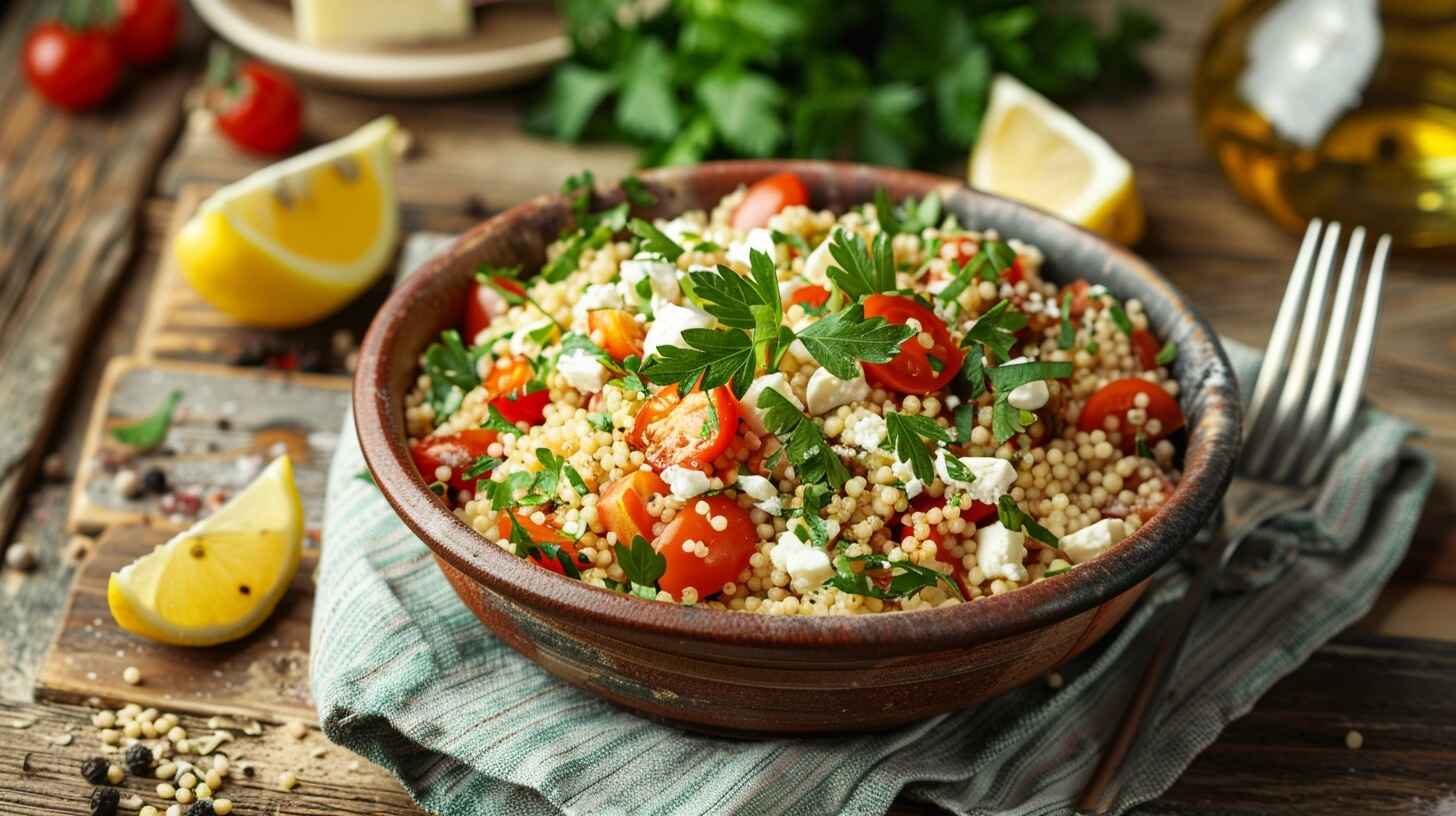
Unlock the Health Benefits of a Mediterranean Couscous Bowl
The culinary world is buzzing with excitement over dishes that don't just tantalize the taste buds but also nourish the body. Among these, the
Mediterranean couscous bowl stands out as a vibrant, versatile, and incredibly healthy option. More than just a meal, it's a celebration of the principles that have made the Mediterranean diet a global benchmark for longevity and well-being. This delightful bowl brings together the wholesome goodness of whole grains, fresh produce, lean proteins, and healthy fats, offering a delicious pathway to improved health.
What makes a Mediterranean couscous bowl so special? It’s the harmonious blend of ingredients, inspired by the traditional diets of countries bordering the Mediterranean Sea. This article will delve into the numerous health benefits packed into every bite, guiding you on how to craft your own nutritional powerhouse.
The Core Principles Embodied in a Mediterranean Couscous Bowl
At its heart, the Mediterranean diet emphasizes plant-based foods, healthy fats, and lean proteins, making it a powerful ally against chronic diseases. A thoughtfully assembled
mediterranean couscous bowl naturally aligns with these pillars, creating a balanced and health-promoting meal.
Whole Grains: The Power of Couscous
Couscous, traditionally made from semolina (durum wheat), serves as the foundation of these bowls. While refined couscous is common, opting for
whole wheat couscous significantly boosts the nutritional profile. Whole grains are rich in fiber, which is crucial for digestive health, blood sugar regulation, and satiety. They also provide essential B vitamins, magnesium, and iron. The complex carbohydrates in whole wheat couscous offer sustained energy, preventing the blood sugar spikes and crashes associated with refined grains.
Abundance of Fresh Vegetables
One of the defining characteristics of a Mediterranean couscous bowl is its generous helping of fresh, colorful vegetables. Think crisp cucumbers, juicy tomatoes, sweet bell peppers, earthy spinach, Kalamata olives, and red onions. These vegetables are brimming with vitamins, minerals, antioxidants, and dietary fiber. Each color often signifies a different set of phytonutrients, making a rainbow-hued bowl a true superfood ensemble.
Healthy Fats: Olive Oil and Beyond
The Mediterranean diet is famous for its emphasis on healthy fats, primarily extra virgin olive oil. A drizzle of this liquid gold over your couscous bowl not only enhances flavor but also delivers monounsaturated fatty acids (MUFAs) and powerful antioxidants. MUFAs are known for their ability to lower bad cholesterol levels and support heart health. Other healthy fats might come from avocado slices, nuts, or seeds, adding further nutritional value and a satisfying texture.
Lean Proteins and Legumes
While red meat is consumed in moderation in the traditional Mediterranean diet, lean proteins and plant-based protein sources are staples. A
mediterranean couscous bowl often features grilled chicken, baked salmon, or shrimp. For vegetarian and vegan options, chickpeas, lentils, and cannellini beans are excellent choices, providing protein and fiber that contribute to muscle repair and long-lasting fullness.
Unpacking the Nutritional Powerhouse: Key Health Benefits
Integrating a
mediterranean couscous bowl into your regular diet can unlock a spectrum of impressive health advantages, contributing to overall vitality and disease prevention.
Heart Health and Cholesterol Management
The combination of monounsaturated fats from olive oil, soluble fiber from whole grains and legumes, and antioxidants from vegetables makes the Mediterranean couscous bowl a potent protector of cardiovascular health. This dietary pattern has been consistently linked to lower rates of heart disease, reduced blood pressure, and improved cholesterol profiles by lowering LDL ("bad") cholesterol and maintaining HDL ("good") cholesterol.
Blood Sugar Control and Diabetes Prevention
Thanks to its high fiber content and complex carbohydrates, a Mediterranean couscous bowl helps stabilize blood sugar levels. Fiber slows down glucose absorption, preventing rapid spikes and crashes. This is particularly beneficial for individuals managing diabetes or those at risk of developing type 2 diabetes. Choosing whole wheat couscous and ample non-starchy vegetables further enhances this benefit.
Weight Management and Satiety
If you're looking to manage your weight, the fiber and protein in a Mediterranean couscous bowl are your allies. Both nutrients promote satiety, helping you feel fuller for longer and reducing the likelihood of overeating or snacking between meals. The nutrient density means you’re getting a lot of nourishment without excessive calories, making it an ideal choice for a balanced diet.
Gut Health and Digestion
The rich fiber content from whole grains, vegetables, and legumes acts as a prebiotic, feeding beneficial gut bacteria. A healthy gut microbiome is linked to improved digestion, enhanced immune function, and even better mood. Regular consumption of fiber-rich foods like those found in a
mediterranean couscous bowl can alleviate constipation and promote regular bowel movements.
Antioxidant and Anti-inflammatory Properties
The vibrant array of vegetables, herbs, and olive oil in these bowls provides a powerful dose of antioxidants and anti-inflammatory compounds. Antioxidants combat free radicals, which are unstable molecules that can damage cells and contribute to aging and disease. Chronic inflammation is a root cause of many health problems, and a diet rich in anti-inflammatory foods can help mitigate these risks.
Crafting Your Perfect Mediterranean Couscous Bowl for Optimal Health
Building a delicious and nutritious
mediterranean couscous bowl is both simple and rewarding. Here are some tips to maximize its health benefits:
Choosing Your Couscous Wisely
While instant couscous is convenient, prioritize *whole wheat couscous* for its superior fiber and nutrient content. If you can't find whole wheat, opt for pearl (Israeli) couscous made from whole grains, or consider alternative grains like quinoa or farro for a different texture and nutritional profile.
Loading Up on Colorful Veggies
Don't be shy with the produce! Aim for at least 3-5 different types of vegetables. Roasted vegetables like bell peppers, zucchini, and eggplant add depth and sweetness, while fresh options like cherry tomatoes, cucumbers, and leafy greens provide crunch and vital nutrients. Pick seasonal vegetables for the best flavor and nutritional value.
Incorporating Lean Protein Sources
For an ideal balance, include a source of lean protein. Baked or grilled salmon, packed with omega-3 fatty acids, is an excellent choice. Grilled chicken breast, turkey, or shrimp are also fantastic. Vegetarians can opt for chickpeas, black beans, lentils, or firm tofu, ensuring a complete protein source.
The Role of Healthy Fats and Flavor Boosters
A good quality extra virgin olive oil is non-negotiable. Consider adding a few slices of creamy avocado or a sprinkle of toasted pumpkin seeds or walnuts for an extra boost of healthy fats and texture. A squeeze of fresh lemon juice, a dash of red wine vinegar, or a dollop of homemade hummus or tzatziki can elevate the flavors without adding unhealthy additives.
Don't Forget the Herbs and Spices
Fresh herbs like parsley, mint, oregano, and basil not only enhance the taste but also provide additional antioxidants and anti-inflammatory properties. Spices such as cumin, coriander, and paprika contribute to the authentic Mediterranean flavor profile while offering their own health benefits.
Making Mediterranean Couscous Bowls a Staple in Your Diet
Incorporating healthy eating into a busy lifestyle can be challenging, but the versatility and ease of preparation make Mediterranean couscous bowls an ideal solution. For more inspiration on quick meal solutions, explore
Easy Mediterranean Couscous Bowls for Weeknight Meals.
Meal Prep Made Easy
Couscous bowls are perfect for meal prepping. You can cook a large batch of couscous, chop your vegetables, prepare your protein, and make your dressing in advance. Then, simply assemble your bowls daily for quick and nutritious lunches or dinners throughout the week. This saves time and ensures you have healthy options readily available.
Customization for Every Palate
The beauty of the
mediterranean couscous bowl lies in its endless customization possibilities. Whether you prefer a spicier kick, a tangier dressing, or a sweeter profile, you can tailor your bowl to your personal taste and dietary needs. Don't hesitate to experiment with different ingredients and flavor combinations. For creative ideas, check out
Customize Your Mediterranean Couscous Bowl: Flavor Ideas.
In conclusion, the Mediterranean couscous bowl is far more than just a trending meal; it's a testament to the power of whole foods and balanced nutrition. By embracing its principles, you can enjoy a delicious, satisfying, and health-boosting meal that contributes to a stronger heart, better blood sugar control, improved digestion, and overall vitality. So, embark on your culinary journey and unlock the remarkable health benefits of this incredible dish.