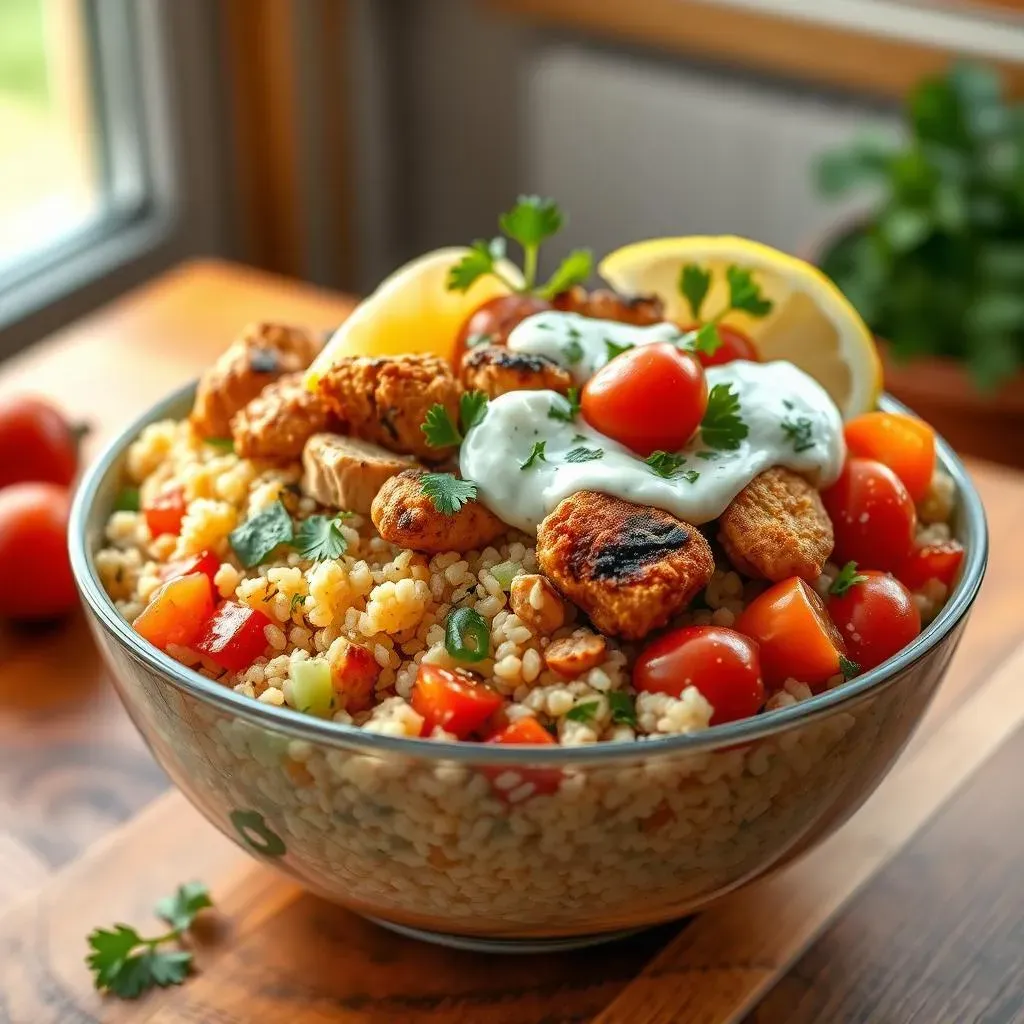
Customize Your Mediterranean Couscous Bowl: A Culinary Journey of Flavor
The Mediterranean diet has long been celebrated for its incredible health benefits, vibrant fresh ingredients, and unforgettable flavors. At the heart of this culinary philosophy often lies a staple grain: couscous. But more than just a side dish, the mediterranean couscous bowl has emerged as a versatile, satisfying, and endlessly customizable meal, perfect for any occasion. From quick weeknight dinners to elegant meal prep, these bowls offer a canvas for culinary creativity, allowing you to tailor every bite to your preference. This article will guide you through the art of crafting your perfect couscous bowl, exploring a world of ingredients, flavor combinations, and practical tips to elevate your dining experience.The Foundation: Crafting Your Perfect Couscous Base
Every exceptional mediterranean couscous bowl begins with perfectly cooked couscous. While often perceived as a simple grain, mastering its preparation is key to a truly delicious bowl.- Choosing Your Couscous:
- Fine Couscous: The quickest cooking variety, often used for quick salads or as a delicate base. It absorbs flavors beautifully.
- Medium Couscous: A good all-rounder, offering a bit more texture than fine couscous.
- Pearl (Israeli) Couscous: Larger, pasta-like pearls with a chewier texture. It’s fantastic for absorbing sauces and stands up well to heartier ingredients. Its robust nature makes it a great choice if you prefer a more substantial base in your bowl.
- Whole Wheat Couscous: A healthier alternative to refined couscous, offering more fiber and a nuttier flavor. It’s a superb choice for those looking to Unlock the Health Benefits of a Mediterranean Couscous Bowl without compromising on taste or texture.
- The Art of Cooking:
The secret to flavorful couscous isn't just water; it's what you infuse it with. Instead of plain water, use vegetable or chicken broth. For extra depth:
- Add a bay leaf or a sprig of fresh thyme to the broth as it simmers.
- Stir in a knob of butter or a drizzle of olive oil after it's cooked to separate the grains and add richness.
- Finish with a squeeze of fresh lemon juice and a sprinkle of chopped fresh parsley or mint for brightness.
- Fluff with a fork to ensure a light, airy texture. Avoid overcooking, as it can become clumpy.
Building Blocks: Proteins and Vegetables That Shine
Once your couscous base is ready, it's time to layer in the exciting elements that bring your mediterranean couscous bowl to life. This is where customization truly begins, allowing for endless combinations of textures and tastes.Power-Packed Proteins
Proteins are essential for making your couscous bowl a complete and satisfying meal. The Mediterranean diet offers a wealth of lean and plant-based options:
- Chicken: Grilled, baked, or shredded chicken breast or thighs are excellent. Marinate them in lemon, garlic, and oregano for classic Mediterranean flavor.
- Lamb: Ground lamb kofta seasoned with cumin, coriander, and mint, or slow-cooked shredded lamb, provides a rich, authentic taste.
- Fish & Seafood: Flaky baked salmon, grilled shrimp, or even canned tuna (packed in olive oil) can be fantastic additions, offering omega-3 benefits.
- Legumes: Chickpeas are a superstar here – roasted with paprika and cumin for a crispy texture, or simply tossed in olive oil and lemon. Lentils (brown or green) also add earthy flavor and fiber. Cannellini beans are another creamy, mild option.
- Halloumi: Grilling slices of salty halloumi cheese creates a deliciously squeaky, satisfying protein element.
- Tofu/Tempeh: For a plant-based option, marinate firm tofu or tempeh in Mediterranean spices (oregano, thyme, sumac) and then bake or pan-fry until golden.
Vibrant Vegetables
Vegetables are the heart and soul of any Mediterranean dish, bringing color, nutrients, and diverse textures to your bowl. Aim for a mix of cooked and fresh:
- Roasted Vegetables:
Tossing vegetables with olive oil, salt, pepper, and herbs (like rosemary or dried oregano) before roasting brings out their natural sweetness and creates tender, caramelized edges. Excellent choices include:
- Bell peppers (red, yellow, orange)
- Zucchini and eggplant
- Cherry tomatoes (bursting with flavor when roasted)
- Red onion (sweet and tender when cooked)
- Asparagus or green beans
- Sweet potatoes or butternut squash (for a heartier touch)
- Fresh Vegetables & Greens:
These add crunch, freshness, and often a cooling counterpoint to richer ingredients:
- Cucumber (diced)
- Tomato (diced or halved cherry tomatoes)
- Red onion (thinly sliced or finely diced for a sharper bite)
- Spinach, kale, or mixed greens (as a bed or mixed in)
- Avocado (creamy, healthy fats)
- Radishes (thinly sliced for peppery crunch)
- Pickled & Marinated:
Adding a tangy element can brighten your bowl:
- Artichoke hearts (marinated or jarred)
- Kalamata or green olives
- Sun-dried tomatoes (oil-packed or rehydrated)
- Jarred roasted red peppers
For those looking for efficiency, especially during busy workweeks, these versatile ingredients make it simple to prepare a delicious and healthy meal. Exploring Easy Mediterranean Couscous Bowls for Weeknight Meals can provide even more inspiration for quick and convenient preparation.
The Flavor Architects: Dressings, Herbs, and Toppings
These are the elements that truly tie your mediterranean couscous bowl together, adding layers of flavor, acidity, and texture. Don't underestimate their power to transform your meal.Zesty Dressings
A good dressing coats every ingredient, infusing your bowl with complementary flavors:
- Classic Lemon-Herb Vinaigrette: Whisk together extra virgin olive oil, fresh lemon juice, minced garlic, dried oregano, salt, and pepper. It's bright, tangy, and universally appealing.
- Creamy Tahini Dressing: Combine tahini, lemon juice, water (to thin), minced garlic, and a pinch of salt. This offers a rich, nutty, and slightly earthy flavor profile.
- Yogurt-Dill Sauce: Mix plain Greek yogurt with fresh dill, minced garlic, lemon juice, and a touch of salt. It's cooling, creamy, and perfect with grilled meats or roasted vegetables.
- Balsamic Glaze: A drizzle of reduced balsamic vinegar adds a sweet and tangy punch, especially good with roasted vegetables and feta.
Fresh Herb Power
Never underestimate the impact of fresh herbs. They add an aromatic burst and vibrant color:
- Parsley: Flat-leaf or curly, it's a staple for freshness.
- Mint: Particularly excellent with lamb, chickpeas, or a cooling yogurt dressing.
- Dill: Pairs wonderfully with fish, cucumber, and yogurt-based sauces.
- Cilantro: Adds a fresh, slightly citrusy note, great with spicier elements.
- Oregano/Marjoram: Classic Mediterranean flavors, especially when fresh.
Crunchy, Salty, Sweet Toppings
Toppings provide that essential final flourish, adding texture and concentrated bursts of flavor:
- Nuts & Seeds: Toasted pine nuts, slivered almonds, pistachios, or sunflower seeds add a delightful crunch and healthy fats.
- Cheese: Crumbled feta cheese is the quintessential Mediterranean topping, offering a salty, tangy creaminess. Shaved Parmesan or crumbled goat cheese can also work beautifully.
- Olives: Halved Kalamata, Castelvetrano, or Nocellara olives add a briny, savory punch.
- Sun-dried Tomatoes: Intensify the tomato flavor and add a chewy texture.
- Pickled Onions: Provide a tangy, slightly sweet, and vibrant pink pop.
- Pomegranate Arils: These jewel-like seeds offer a burst of sweet-tart flavor and a beautiful visual appeal.
- Crispy Fried Onions/Chickpeas: For an extra layer of crunch and savory depth.
- Dukkah: An Egyptian spice blend of nuts, seeds, and spices, perfect for sprinkling.
Practical Tips for the Ultimate Couscous Bowl Experience
- Balance is Key: Aim for a mix of textures (soft couscous, crunchy nuts, tender vegetables), flavors (sweet, savory, tangy, fresh), and colors for a truly satisfying bowl.
- Meal Prep Like a Pro: Prepare your components ahead of time. Cook a big batch of couscous, roast a variety of vegetables, chop fresh greens, and make your dressing. Store them separately in airtight containers. When mealtime rolls around, simply assemble your mediterranean couscous bowl for a fresh, delicious meal in minutes.
- Layering for Success: Start with your couscous base, then add greens if using. Next, arrange your proteins and roasted vegetables. Drizzle with dressing, then finish with fresh herbs and toppings. This ensures every component is visible and contributes to the aesthetic.
- Warm or Cold? Both! Couscous bowls are incredibly versatile. Enjoy them warm straight after preparation, or pack them up for a refreshing cold lunch. Pearl couscous often holds up particularly well when served cold.
- Don't Be Afraid to Experiment: The beauty of a customized bowl is its adaptability. Don't be constrained by specific recipes. Taste as you go, and adjust ingredients based on your preferences and what you have on hand.
